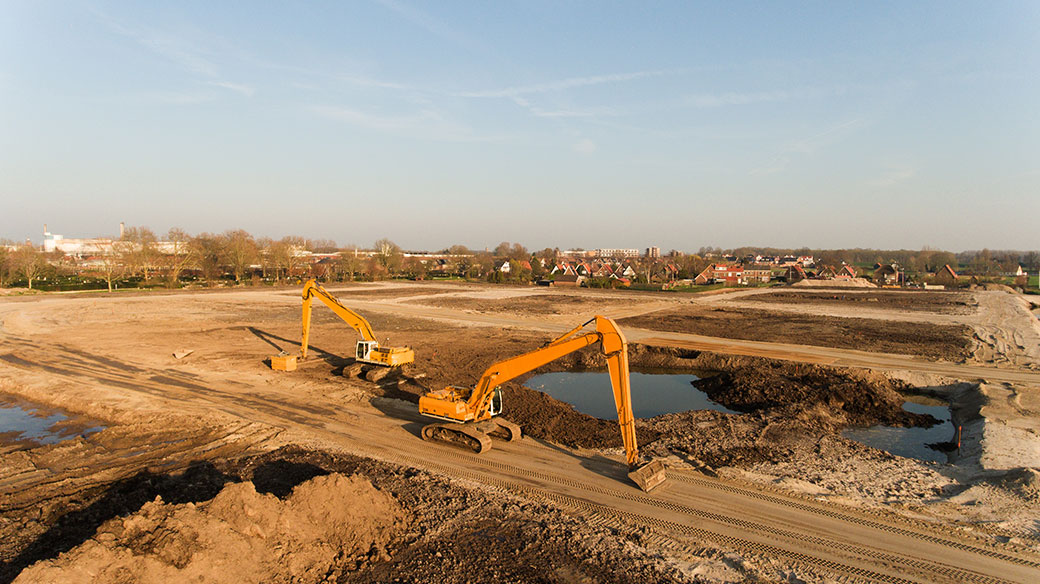
Heavy Civil Construction
ConStrobe models large-scale earthwork and infrastructure projects — from mass excavation and hauling to bridge and roadway construction — capturing the interaction of crews, equipment, and site constraints. It enables planners to test fleet configurations, evaluate staging strategies, and improve production efficiency across complex terrain.
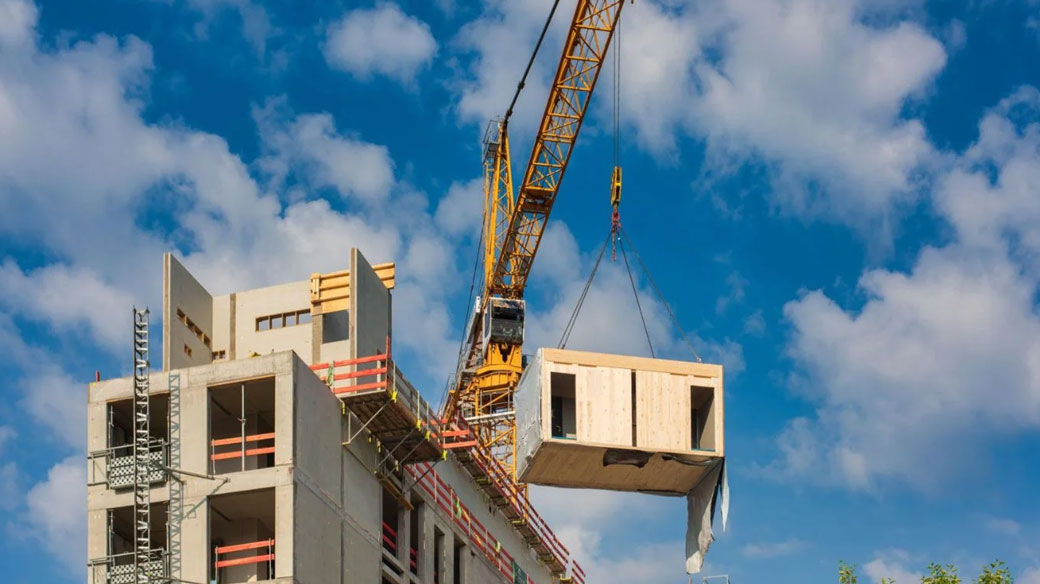
Modular and Offsite Construction
Simulate factory production lines for modular construction to analyze workflow, crew utilization, and throughput before changing layouts or staffing.
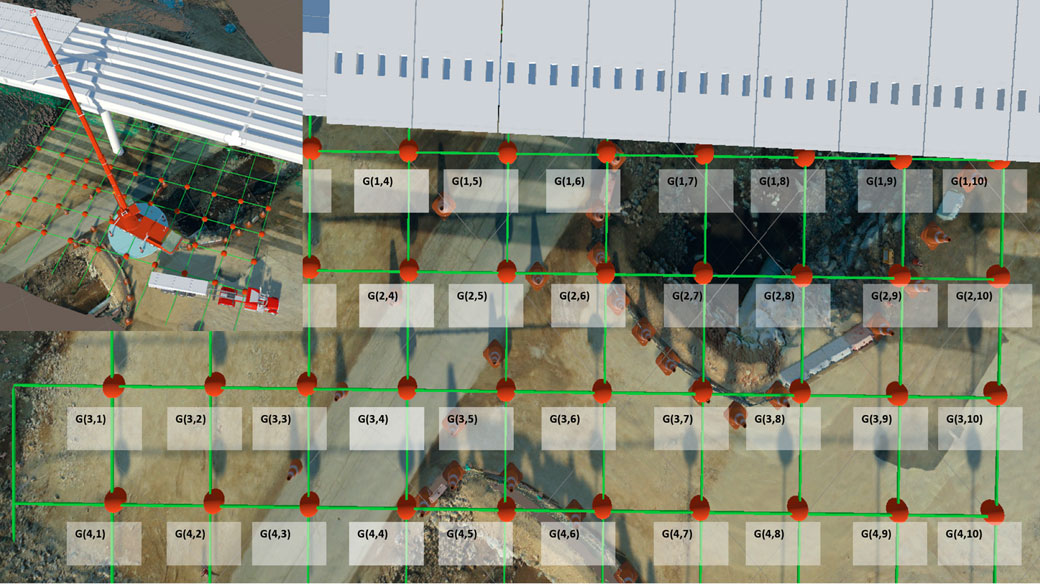
Onsite Logistics
Simulate onsite logistics and crane operations to plan material delivery, staging, and lifting sequences for safe and efficient equipment utilization.
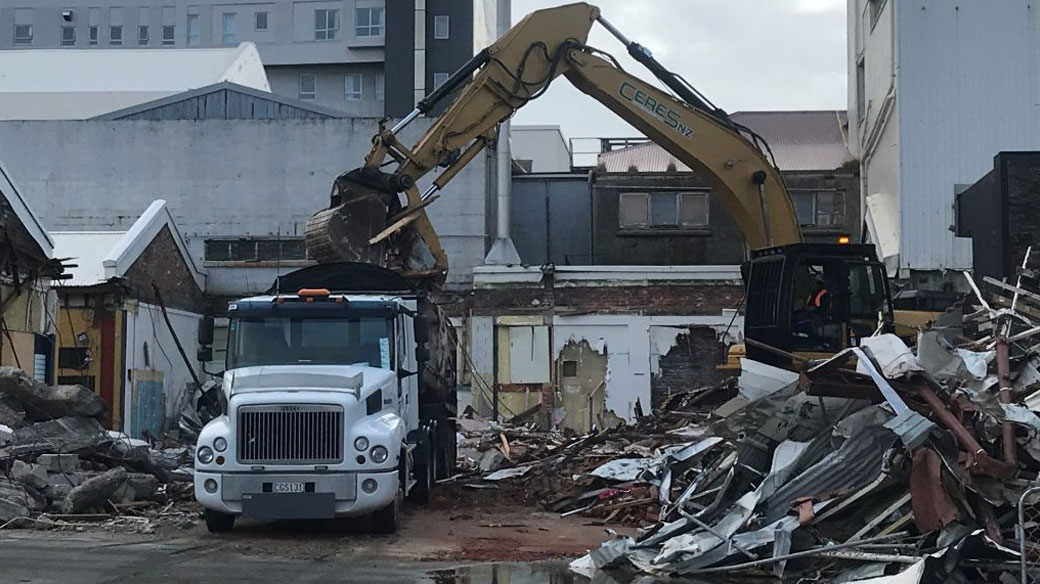
Disaster Recovery and Infrastructure Resilience
ConStrobe models debris removal, equipment mobilization, and multi-depot logistics to support emergency response and network restoration. It allows planners to test strategies across different disaster magnitudes, resource availabilities, and infrastructure disruptions.
Equipment Fleet and Asset Optimization
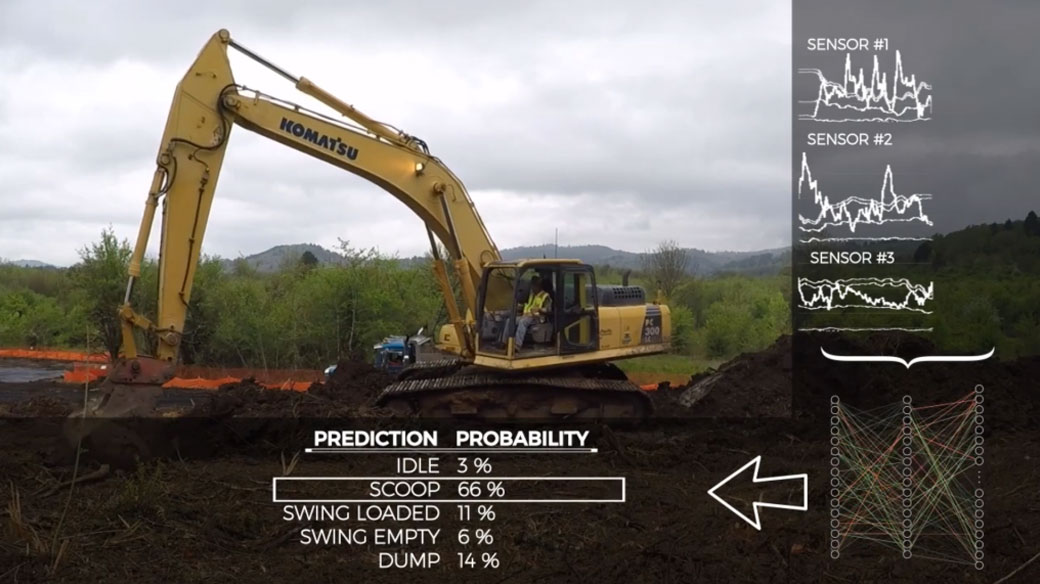
Optimize fleet composition and resource allocation by matching equipment capabilities to project demands. ConStrobe helps fleet managers test alternative work methods and deployment strategies to minimize idle time, reduce operating costs, and maximize return on equipment investment.

Educational Tools and Training Simulations
ConStrobe brings field operations into the classroom through interactive, immersive simulations. Students and trainees can see how construction unfolds — how crews, equipment, and constraints interact over time and space. Extending these models into VR lets learners develop intuition for sequencing, productivity, and decision-making before stepping on site.